What Are the Top Types of All Animal Feed in 2026?
In 2026, choosing animal feed is not simply a matter of filling a trough. Feed must match an animal’s species, age, purpose, and digestive needs. A dairy cow, laying hen, young pig, and household rabbit cannot thrive on the same ration. Even within one species, needs shift as animals grow, reproduce, or recover from illness. Small details matter: pellet size, forage quality, water access, and how feed is stored.
Animal nutrition researcher Dr. Ermias Kebreab of the University of California, Davis, studies how livestock nutrition affects productivity and environmental impacts. The following is an editorial paraphrase of that broader research perspective, not a verified direct quotation: “Good nutrition connects animal health, farm performance, and responsible resource use.” That idea offers a useful lens for comparing the top types of all animal feed. Still, no single feed type is best in every setting.
This guide explores forage, grains, complete feeds, concentrates, supplements, and specialty diets. It considers what each type contains, which animals may benefit, and where careful formulation matters. Labels can look reassuring. They do not tell the whole story. Ingredient quality, feeding rates, and professional advice can change the outcome, so readers should check recommendations for their animals rather than rely on a broad category alone. Feed choices can be imperfect, too; cost, local availability, and changing needs sometimes pull in different directions.
How Animal Feed Is Classified by Animal Species and Purpose
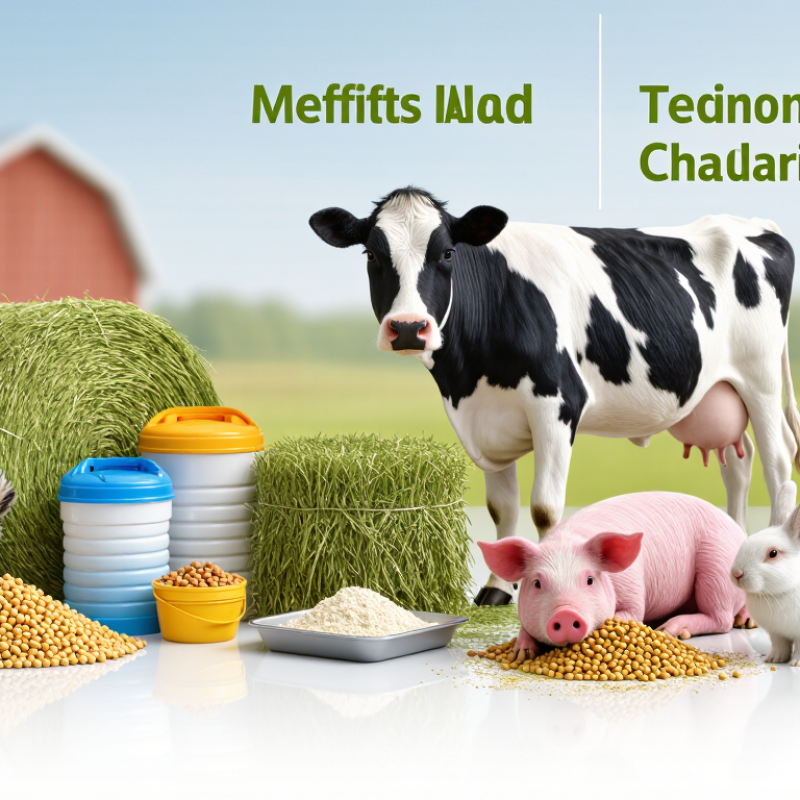
Animal feed is classified by the species it supports and the job it must do. Poultry rations often use finely ground grains and protein ingredients, with formulas adjusted for broilers or laying hens. Cattle feed ranges from forage-heavy diets to energy-dense mixes; a dairy ration may include chopped silage alongside measured grain. Pig diets change with age, while aquaculture feeds are commonly made as pellets designed to float or sink. Small details matter. Pellet size and texture can affect how animals eat.
Purpose adds another layer: feeds may support maintenance, growth, milk or egg production, or specific life stages. The FAO’s 2024 report, The State of World Fisheries and Aquaculture, records 94.4 million tonnes of aquatic animal production in 2022, underscoring why aquatic feeds are a distinct category. Alltech’s 2024 Global Feed Survey estimated 1.29 billion metric tonnes of commercial feed production worldwide in 2023.
These figures describe different things: one measures aquatic animal output, the other feed production. They should not be treated as interchangeable. In practice, species labels alone do not tell the whole story; feed composition also depends on age, production goals, ingredients, and local conditions. Classification is useful, but real diets are rarely tidy.
What Are the Main Types of Animal Feed in 2026?
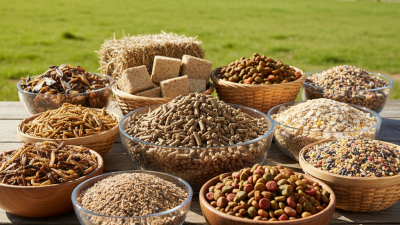
Animal feed in 2026 is best understood by its function, not just its ingredients. Forage includes pasture, hay, and silage; its long fibers support chewing and rumen function in cattle and sheep. Concentrates, such as cereal grains and oilseed meals, provide denser energy or protein. A 2024 Alltech Agri-Food Outlook estimated global feed production at 1.29 billion metric tons in 2023, showing the scale of demand for formulated feeds. The figure covers many species and does not mean every animal needs the same ration.
Complete feeds combine ingredients to meet a defined nutritional purpose, while supplements add targeted nutrients to an existing diet. Poultry and pig rations often rely on carefully balanced grains, protein sources, minerals, and vitamins.
Aquafeeds are commonly formed into pellets that stay intact in water long enough for fish to eat. Dairy diets may combine forage with concentrates, adjusted for milk production and body condition. Small details matter.
Feed choice should reflect species, age, health, and production stage. A young calf and a mature dairy cow cannot simply share one formula. The National Research Council’s species-specific nutrient requirement publications remain useful technical references, though actual needs vary with animals and local feed quality. Moisture, storage, and ingredient changes can also affect what a ration delivers. In practice, feed labels and laboratory analysis help reveal gaps, but neither replaces informed formulation. There is room for humility: a balanced-looking mix may still perform poorly when forage quality shifts.
What Feed Types Are Used for Livestock, Poultry, and Aquaculture?
Livestock diets usually combine forage, grains, protein meals, and mineral supplements. Cattle may graze pasture or receive silage and formulated rations; pigs commonly eat balanced pellets or meal based on cereals and oilseed meals. Poultry feed is often tailored to age and purpose: fine starter crumbles help chicks eat, while growers and laying hens receive different nutrient mixes. Practical details matter. A wet, dusty, or poorly stored ration can lose quality before animals consume it.
Aquaculture feed is more specialized. Floating or sinking pellets are formulated for species, water temperature, and feeding behavior; fishmeal, plant proteins, oils, and micronutrients may all be used.
The FAO’s 2024 State of World Fisheries and Aquaculture reported 94.4 million tonnes of farmed aquatic animals in 2022, underlining the sector’s scale, though production volume alone does not show which feed works best. Alltech’s 2024 Agri-Food Outlook estimated global feed production at about 1.29 billion tonnes in 2023, based on its survey of 142 countries.
Those figures are useful context, not a prescription. Feed needs vary by species, life stage, local ingredients, and farm conditions; even a well-designed ration can fall short when access to clean water or consistent storage is overlooked.
How Do Pet, Equine, and Specialty Animal Feeds Differ?
Pet, equine, and specialty feeds serve different bodies, routines, and feeding environments. Pet food is usually designed for dogs or cats at particular life stages, with nutrients balanced for daily meals. A cat’s small kibble and a dog’s larger pieces reflect different eating habits, but texture alone does not prove nutritional quality. Check the product’s intended life stage and feeding directions.
Equine feed must account for a horse’s workload, body condition, forage intake, and access to clean water. Many horses rely mainly on hay or pasture, while concentrated feed may be appropriate for some animals. A scoop is not a feeding plan. Weighing portions and watching changes in weight, appetite, and manure can reveal problems early. I would not assume that a hard-working horse always needs more grain; individual needs vary.
Specialty feeds cover animals with distinct needs, such as poultry, rabbits, or livestock in particular production stages. Their diets can differ sharply, even when the ingredients look familiar. A rabbit’s long-stem hay, for example, supports chewing and digestive function, while poultry rations are formulated around age and purpose. Details matter. Keep feed dry, prevent contamination, and introduce changes gradually. Even careful routines can miss something, so consult a veterinarian or qualified animal nutrition professional when health or growth changes.
Which Nutrients and Ingredients Distinguish Each Feed Type?
Animal feeds differ less by appearance than by nutrient balance and digestibility. Forages such as pasture, hay, and silage supply fiber that supports rumen function in cattle and sheep. Their value changes with maturity, moisture, and storage; a stemmy bale is not nutritionally equal to young leafy forage. The Feedipedia database, developed by INRAE, CIRAD, AFZ, and FAO, reports maize grain at roughly 8–9% crude protein on a dry-matter basis. Soybean meal commonly contains about 44–48%. That contrast explains why grain supplies concentrated energy, while oilseed meals help close protein gaps.
Poultry and pig rations typically combine cereals, protein meals, fats, minerals, and vitamins. The exact mix depends on species, age, and production stage. Young animals generally need nutrient-dense diets; laying hens also require substantial calcium for eggshell formation. Aquaculture feeds often rely on concentrated protein and oil, but formulation varies widely by fish species and farming system. NASEM’s species-specific nutrient requirement reports emphasize that needs are not one fixed number. Feed tests matter. Moisture, fiber, and amino-acid availability can shift what animals actually receive, even when ingredient names stay the same. One practical caveat: published composition tables describe averages, not every field or batch.
What Are the Top Types of Animal Feed in 2026?
Typical crude protein in representative feed ingredients (% of feed as-fed)
Feed types are distinguished by their ingredients and nutrient roles. Corn grain is mainly an energy source; alfalfa hay provides forage and fiber; soybean meal and fish meal are protein-rich ingredients; wheat bran and beet pulp contribute fiber. Values are approximate typical crude-protein levels and vary with crop, processing, and product; they are not complete-feed formulations.