China Top 10 Bulk Feed Suppliers Where to Buy?

China’s feed industry operates at a scale few markets can match. The China Feed Industry Association reported approximately 321.63 million tonnes of industrial feed production in 2023. This figure includes pig, poultry, ruminant, aquatic, and specialty feed. It shows why China remains a critical sourcing market for bulk feed buyers.

The USDA Foreign Agricultural Service also identifies China as the world’s largest feed-producing country. However, production volume alone does not prove supplier reliability. A practical purchasing review should examine factory capacity, export experience, formulation control, and delivery performance. Certificates matter.

This guide introduces China’s top 10 bulk feed suppliers and explains where international buyers can purchase from them. The selection considers market reputation, manufacturing scale, product range, and documented quality systems. Buyers should still request current licenses, product specifications, certificates of analysis, and ingredient traceability records.

Look closely at moisture, crude protein, energy values, and mycotoxin limits. A sealed feed bag may look acceptable while storage conditions tell another story. Direct factory purchasing can reduce intermediary costs, but smaller orders may require a trading company. That trade-off deserves attention.

No ranking is perfect. Regional strengths, changing prices, and seasonal logistics can alter the best choice. China’s Ministry of Agriculture and Rural Affairs publishes annual feed-industry data, yet supplier-level information is less uniform. Therefore, this list should support due diligence, not replace it. A reliable supplier should answer clearly, provide consistent samples, and explain what happens when specifications are missed.
China Top 10 Bulk Feed Suppliers Where to Buy?

What Bulk Feed Is and Why China Is a Major Supply Market

China Top 10 Bulk Feed Suppliers Where to Buy?

Bulk feed refers to large-volume feed ingredients or finished feed shipped without retail packaging. Common materials include corn, wheat, soybean meal, bran, mineral blends, and aquatic feed. Buyers usually receive these goods in sacks, tankers, containers, or bulk trailers. The format reduces packaging costs, but it demands stronger storage control.

China is a major supply market because it has extensive grain processing, feed manufacturing, livestock production, and aquaculture industries. Several coastal regions provide efficient port access and container services. Inland production areas can offer competitive pricing for grains and processed ingredients. Large feed mills also create stable demand and encourage regular supply networks. In practical sourcing, a buyer should check moisture, protein content, particle size, and contamination controls. A recent certificate of analysis is useful, but it should not replace independent sampling.

Warehouse conditions matter more than many buyers expect. Damp flooring can damage bags quickly. Poor ventilation may cause mold, odors, or nutrient loss. Suppliers should provide batch numbers, production dates, loading photos, and traceable transport records. Local feed regulations and import requirements must also be reviewed before payment. Prices can change with harvest conditions, freight costs, and currency movement. No supplier is perfect. Even a well-organized shipment may face delays or inconsistent texture, so inspection terms should be written clearly.

How to Evaluate China’s Top Bulk Feed Suppliers

China Top 10 Bulk Feed Suppliers Where to Buy?

Choosing among China’s top bulk feed suppliers requires more than comparing prices. A reliable evaluation begins with product specifications, ingredient sources, and manufacturing controls. Ask for recent certificates of analysis, moisture results, and contaminant testing. The documents should match the exact batch, not a generic sample. Traceability matters. Each delivery should connect to a production date, storage record, and shipment number.

Request a small trial order before committing to full-volume purchasing. Check pellet strength, odor, color, dust levels, and consistency after transport. A supplier’s response to technical questions also reveals its expertise. Can the sales team explain storage conditions and shelf life clearly? Are production records available for review? Video inspections can help, but an independent factory audit offers stronger evidence. A polished brochure can still hide weak controls.

Evaluate logistics with equal care. Confirm loading methods, moisture protection, packaging weight, lead times, minimum order quantities, and export documentation. Written quality agreements should define acceptance standards and complaint handling. Payment terms deserve attention too. Low prices may reflect lower testing frequency or unstable raw materials. I have seen buyers focus heavily on quotations and overlook seasonal ingredient changes. That mistake can affect animal performance and supply planning. No supplier is perfect. The better choice is the one that admits limitations, documents corrective actions, and communicates before a problem becomes expensive.

China Top 10 Bulk Feed Suppliers: How to Evaluate Them

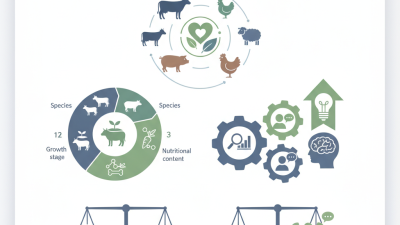
Use this 100-point evaluation framework to compare bulk feed suppliers without relying only on price. Prioritize safety, consistency, export readiness, logistics, and traceability.

The weighting reflects common procurement priorities for imported bulk animal feed. Buyers should verify certificates, laboratory reports, production capacity, minimum order quantities, shipping records, and traceability documents before placing an order.

Top 10 Bulk Feed Suppliers in China by Product and Capability

When sourcing bulk feed in China, product fit matters more than a polished catalog. The top ten supplier profiles usually serve distinct needs: grain-based livestock feed, aquaculture pellets, poultry feed, premixes, mineral additives, forage, pet nutrition, specialty protein formulas, certified organic products, and custom production. Each category requires different equipment, testing, and storage controls. A supplier experienced with 25-kilogram bags may not handle a 20-ton shipment well. That gap is easy to miss.

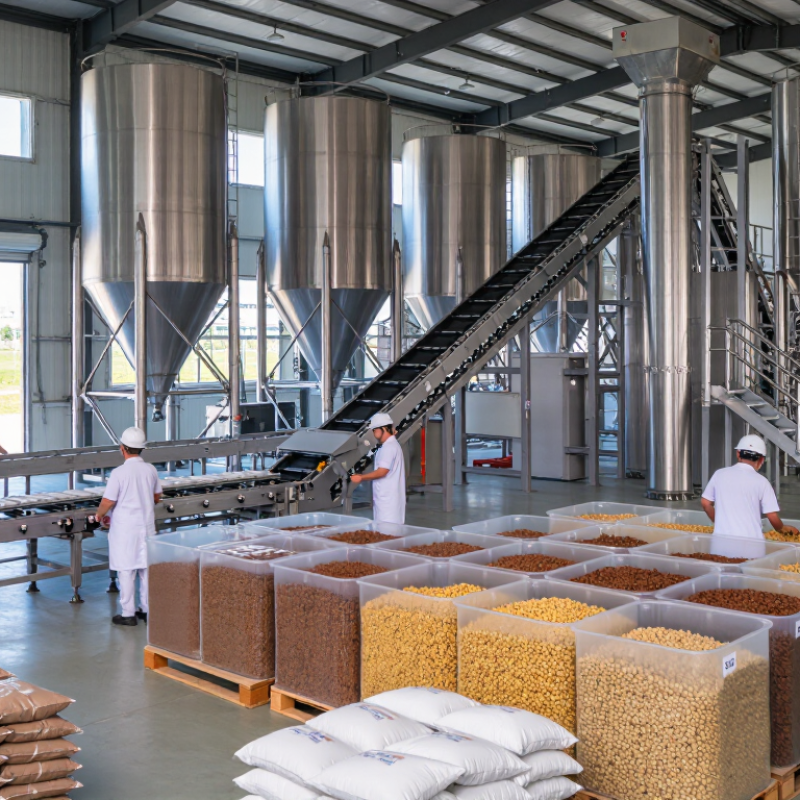
Evaluate capability through practical evidence. Ask for recent batch records, ingredient specifications, moisture limits, microbiological reports, and traceability procedures. Modern factories may use hammer mills, extruders, automated dosing, and sealed silos. These details affect pellet strength, uniformity, and shelf life. For aquaculture feed, floating performance and water stability deserve direct testing. For livestock feed, digestibility and mixing accuracy matter more. Export-ready suppliers should explain loading plans, pallet options, container protection, and documentation clearly. Small trial orders often reveal more than attractive samples. Some suppliers respond quickly but cannot maintain consistent particle size. That needs verification.

Tips: Compare suppliers by product, monthly capacity, minimum order, testing frequency, and export experience. Request a retained sample from the exact production lot. Check whether storage is dry, pest-controlled, and properly separated. Confirm destination-country requirements before payment. Independent testing adds cost, yet it can prevent a larger loss. A clear contract should define quality tolerance, packaging, delivery timing, and remedies.

China Top 10 Bulk Feed Suppliers Where to Buy? - Top 10 Bulk Feed Suppliers in China by Product and Capability

Anonymous comparison of major bulk-feed supplier profiles, organized by product focus, sourcing region, logistics capability, and typical buyer requirements.

Rank Supplier Profile Primary Supply Region Main Bulk Feed Products Product and Processing Capability Quality and Documentation Capability Bulk Packaging and Logistics Best Suited For
1 Profile 01
Oilseed Meal Specialist
Northeast and North China Soybean meal Rapeseed meal Soy protein meal Large-volume meal crushing and screening; consistent protein specifications; ability to provide standard and high-protein grades for livestock and poultry rations. Batch-based sampling, moisture and protein testing, lot traceability, and standard export documents. Bulk trucks, 25 kg bags, 500–1,000 kg flexible intermediate bulk containers, and container loading. Feed mills requiring stable protein meals and recurring monthly supply.
2 Profile 02
Grain and By-Product Supplier
Northeast China Feed corn Corn germ meal Corn gluten feed Grain cleaning, drying, grading, and bulk consolidation; suitable for feed-grade grain programs with defined moisture and impurity limits. Moisture, aflatoxin, impurity, bulk-density, and mycotoxin control documentation can be arranged according to destination requirements. Hopper trucks, rail-linked loading in producing areas, bulk vessels, and containerized shipments. Swine, poultry, and ruminant feed manufacturers purchasing grain-based ingredients.
3 Profile 03
DDGS Export Supplier
Northeast and North China Corn DDGS Low-oil DDGS High-protein DDGS Sourcing from grain-ethanol production; product segregation by protein, fat, moisture, and color; formulation support for partial replacement of corn and soybean meal. Routine testing for moisture, crude protein, crude fat, fiber, mycotoxins, and foreign material. Bulk vessel shipment, container loading, bulk trucks, and woven polypropylene bags with inner liners. Cost-sensitive feed plants seeking energy and protein co-products.
4 Profile 04
Fish Meal and Marine Protein Supplier
Coastal East and North China Fish meal Fish protein concentrate Marine by-products Supply of different protein grades based on raw-material origin, processing temperature, protein level, freshness, and ash content. Histamine, TVB-N, moisture, protein, ash, peroxide value, heavy-metal, and microbiological testing may be specified by contract. 25 kg bags, 500–1,000 kg bulk bags, containerized cargo, and moisture-protected warehouse handling. Aquafeed, premium poultry, pet-food, and specialty animal-nutrition formulations.
5 Profile 05
Rice Bran and Cereal By-Product Supplier
Central and South China Rice bran Rice bran meal Wheat bran Milling by-product collection, stabilization, sieving, and blending; offers conventional feed ingredients for swine, poultry, and ruminant diets. Moisture, fiber, fat, rancidity, mold, and foreign-material checks; lot-based certificates available for commercial shipments. Bulk local delivery, woven bags, kraft paper bags, flexible intermediate bulk containers, and container export. Regional feed mills and livestock farms looking for economical fiber and energy sources.
6 Profile 06
Premix and Functional Additive Supplier
East and South China Vitamin premixes Mineral premixes Enzymes Acidifiers Formula customization by animal species and production stage; small-dose blending, carrier selection, and technical formulation support. Ingredient specifications, batch coding, dosage instructions, stability data, and certificates of analysis for finished blends. Multi-layer bags, cartons, sealed liners, palletized cargo, and moisture-controlled container shipments. Compound-feed producers needing customized micronutrient and functional solutions.
7 Profile 07
Animal Protein and Blood Meal Supplier
North and Coastal China Blood meal Poultry by-product meal Feather meal Rendering, drying, grinding, and screening of animal-origin protein ingredients; product grades vary by digestibility, protein, ash, and processing method. Microbiological testing, moisture, protein, ash, amino-acid profile, pathogen controls, and origin documentation. Bulk bags, 25 kg bags, palletized containers, and sealed transport suitable for dry rendered products. Aquafeed and livestock formulations requiring concentrated animal protein.
8 Profile 08
Alfalfa and Forage Feed Supplier
Northwest and North China Alfalfa hay Grass hay Forage pellets Forage drying, baling, chopping, pelletizing, and grading by maturity, leaf content, protein, and moisture. Moisture, crude protein, fiber fractions, mold, pesticide-residue, and foreign-material checks can be included in purchase specifications. Large bales, small bales, compressed container loads, and bulk pellets in bags or flexible intermediate bulk containers. Dairy farms, beef operations, horse feed distributors, and ruminant-feed manufacturers.
9 Profile 09
Molasses and Liquid Feed Ingredient Supplier
Southwest and South China Cane molasses Fermentation liquid Liquid energy blends Liquid storage, filtration, blending, viscosity management, and tanker dispatch; suitable for energy supplementation and pellet-binding applications. Brix, moisture, ash, sugar content, pH, viscosity, and contamination checks are commonly included in batch specifications. Tank trucks, flexitanks, drums, intermediate bulk containers, and heated or insulated transport where required. Feed mills using liquid ingredients for energy, palatability, or pelleting performance.
10 Profile 10
Complete Feed and Contract Manufacturing Supplier
East and Central China Poultry feed Swine feed Aquafeed Ruminant feed Ingredient procurement, formula development, batching, pelleting, extrusion, crumbling, and private-label contract production without relying on a single raw-material category. Incoming-material inspection, in-process control, finished-feed testing, batch traceability, and production records for export or domestic distribution. Bulk finished-feed delivery, 20–40 kg bags, palletized cargo, jumbo bags, and container loading. Importers, distributors, farms, and integrators seeking finished feed or contract manufacturing.

Note: Product availability, specifications, minimum order quantities, export eligibility, certifications, and shipping terms should be confirmed directly with the selected supplier before purchase.

Where to Buy Bulk Feed from Chinese Suppliers

Buying bulk feed from Chinese suppliers requires more than comparing prices online. Start with a clear specification sheet. Include animal type, ingredients, protein level, moisture limit, particle size, packaging, and monthly volume. A practical buyer should request recent test reports and a small sample before discussing a full shipment.

I have found that factory communication matters as much as the formula. Ask whether the supplier produces the feed directly or brokers another facility. Request production photos, quality-control procedures, storage conditions, and export documents. A video inspection can reveal dusty floors, damaged bags, or poor warehouse organization. It is not perfect, but it helps. Third-party testing is also useful for checking nutrients, contaminants, and product consistency.

Confirm the quotation in writing. Clarify minimum order quantity, payment stages, lead time, loading port, shipping terms, and responsibility for damaged cargo. Use strong, moisture-resistant bags for long-distance transport. Your local import authority may require specific labels, certificates, or registration. Check those rules before paying a deposit. My first delivery estimate was too optimistic because port congestion delayed loading. Build extra time into your plan. Keep communication records and approve the final label before production. A reliable supplier should answer technical questions clearly, accept reasonable inspections, and explain problems instead of hiding them.

How to Verify Quality, Pricing, Shipping, and Compliance

Choosing among China’s top ten bulk feed suppliers requires evidence, not a polished catalogue. China’s Ministry of Agriculture and Rural Affairs reported 321.6 million tonnes of feed output in its 2023 national statistics. Capacity alone proves little. Ask each supplier for recent certificates, batch COAs, ingredient traceability, and laboratory accreditation. Match every COA with your specification, including moisture, crude protein, aflatoxin, heavy metals, pesticide residues, and microbiological limits. Request sealed retention samples and an independent pre-shipment test. Small details matter. A missing lot number is a warning.

Compare pricing through a landed-cost sheet, not the quoted ton price. Include formulation, packaging, loading, inspection, insurance, ocean freight, port charges, duties, and currency exposure. The OECD-FAO Agricultural Outlook 2024–2033 projects global meat consumption to grow about 12% from the 2021–23 average by 2033. Demand may pressure freight and raw-material timing. Ask for price validity and a clear adjustment formula. Verify lead time, minimum order quantity, container weight, moisture protection, and demurrage responsibility. For shipping, inspect loading photos, seal numbers, and bulk-container plans. For compliance, check destination-country registration, labeling, import permits, contaminant limits, and animal-health requirements. Request a signed compliance declaration and recall procedure. I would not rely on certificates alone. Audits can miss weak batch-control habits. A trial shipment is wiser than a large first order.