10 Essential Tips for Managing Bulk Poultry Feed Efficiently

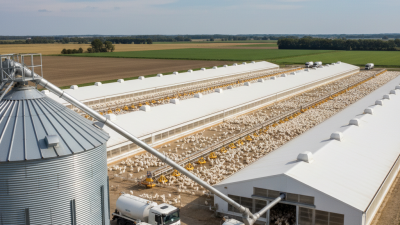
Managing bulk poultry feed is crucial for successful poultry farming. It impacts productivity and cost management. Farmers often face challenges in storage, handling, and distribution of feed. Efficient feed management can lead to better growth rates in birds and higher returns for producers.

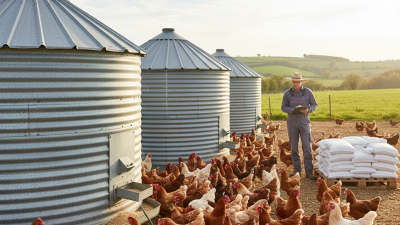
Understanding bulk poultry feed involves looking at various factors. Proper storage facilities are essential to prevent spoilage. The quality of feed must be maintained to ensure optimal nutrition for birds. Farmers should regularly check feed for consistency and freshness. Using technology can streamline the process, but not all farms are equipped for this.

Many producers find themselves overwhelmed by logistics. It’s easy to overlook details in bulk feed management. Regular audits and adjustments are necessary for improvement. Growth and efficiency can sometimes lag behind expectations, prompting reflection on practices. Ultimately, mastering bulk poultry feed management is a journey, not a destination.
10 Essential Tips for Managing Bulk Poultry Feed Efficiently

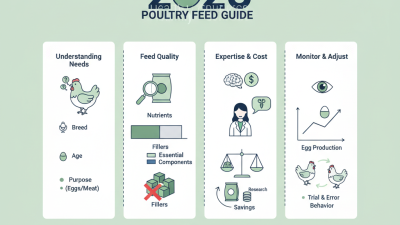
Understanding Bulk Feed Requirements for Optimal Poultry Growth

Understanding the bulk feed requirements for optimal poultry growth is crucial for any poultry farmer. Studies show that proper nutrient balance can enhance growth rates by up to 30%. High-quality protein, energy, vitamins, and minerals must be considered. These ingredients affect feed conversion ratios and overall flock health. Nutritional deficiencies can lead to poor growth and higher mortality rates.

Bulk feed storage must be managed well to preserve quality. Temperature and moisture control are vital. A survey indicated that improperly stored feed can lose 15% of its nutritional value over time. Regular monitoring helps prevent spoilage. Farmers should regularly check for pests. Even a small pest infestation can lead to significant losses.

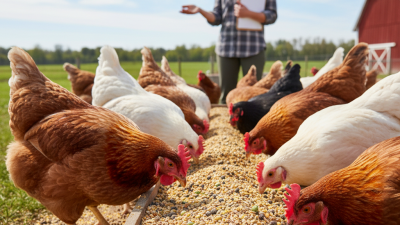
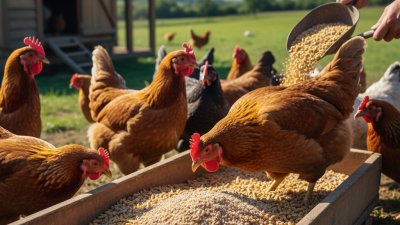
Moreover, feed allocation must be analyzed. Overfeeding can result in wastage, while underfeeding can stunt growth. Many farmers overlook the importance of precision in feed management. Adjustments are often necessary based on the flock's age and weight. Feeding schedules are also key. Consistency in feeding times can improve consumption patterns. These factors definitely require careful thought and ongoing adjustments.
Evaluating Feed Conversion Ratios: Key Metrics for Efficiency

Feed conversion ratios (FCR) are crucial for poultry operations. This metric indicates how efficiently feed is converted into body weight. A lower FCR means better efficiency and lower costs. Tracking this can reveal patterns over time.

Evaluating FCR requires regular data collection. You need accurate figures on feed intake and bird weight. Birds can vary in their growth rates. Environmental factors also play a role. It might be worth reconsidering your feed composition. Some ingredients could be underperforming.

Analyzing daily feed intake can highlight inconsistencies. Sudden drops may indicate health issues. Adjusting feeding strategies might be necessary. Checking the quality of feed is important too. Mold or low protein levels can affect growth. Be open to experimenting with different formulations. The goal is to optimize results over time.

Implementing Inventory Management Systems for Feed Stock

10 Essential Tips for Managing Bulk Poultry Feed Efficiently

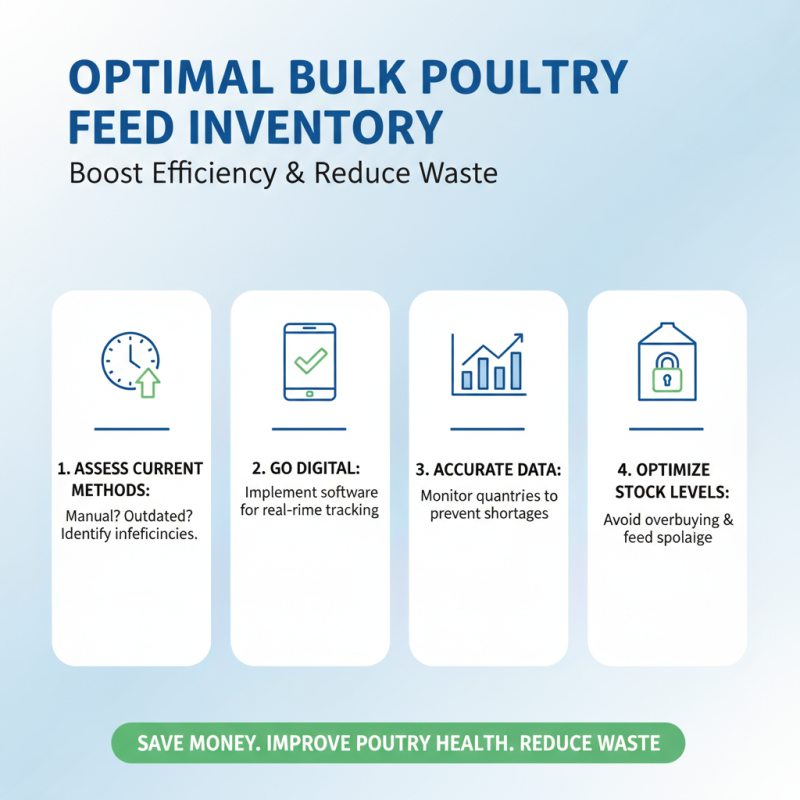
Implementing an effective inventory management system is crucial for managing bulk poultry feed. Start by assessing your current feed inventory methods. Are they outdated? Consider transitioning to digital solutions for better tracking. Accurate data on feed quantities can prevent shortages or overstocking.

Regularly update the inventory records. This helps identify discrepancies quickly. Use barcode systems to scan feed bags and monitor usage rates. This approach minimizes human error and saves time.

Conduct routine audits of your feed stock. This ensures that your data matches actual quantities. It’s vital to address inconsistencies immediately. Streamlining reorder points can help manage stock efficiently. Adjust these points based on usage trends. Keep in mind, a fluctuating market may require a flexible approach. Don’t hesitate to modify your strategies as necessary.

Monitoring Feed Quality: Importance of Nutritional Analysis

Monitoring feed quality is vital in poultry management. Nutritional analysis ensures that birds receive essential nutrients for optimal growth. According to a report from the American Association of Avian Pathologists, inadequate nutrition can lead to reduced production efficiency. Studies show that poor feed quality may cause a 20% drop in growth rates.

Regular testing of feed ingredients is crucial for identifying deficiencies. Mycotoxins, for instance, can significantly hamper bird health. Research indicates that even low levels of mycotoxins can impair feed conversion ratios by up to 10%. Implementing a routine analysis schedule can help mitigate these risks and enhance overall productivity.

However, not all operations prioritize feed quality monitoring. Some farms rely on visual inspections or outdated testing methods. This approach risks overlooking critical nutritional deficiencies. Investing in advanced nutritional analysis tools may seem costly, but the long-term benefits often outweigh the initial investment. Better feed quality leads to healthier birds and improved profitability for poultry operations.

Sustainability Practices in Bulk Poultry Feed Management

10 Essential Tips for Managing Bulk Poultry Feed Efficiently

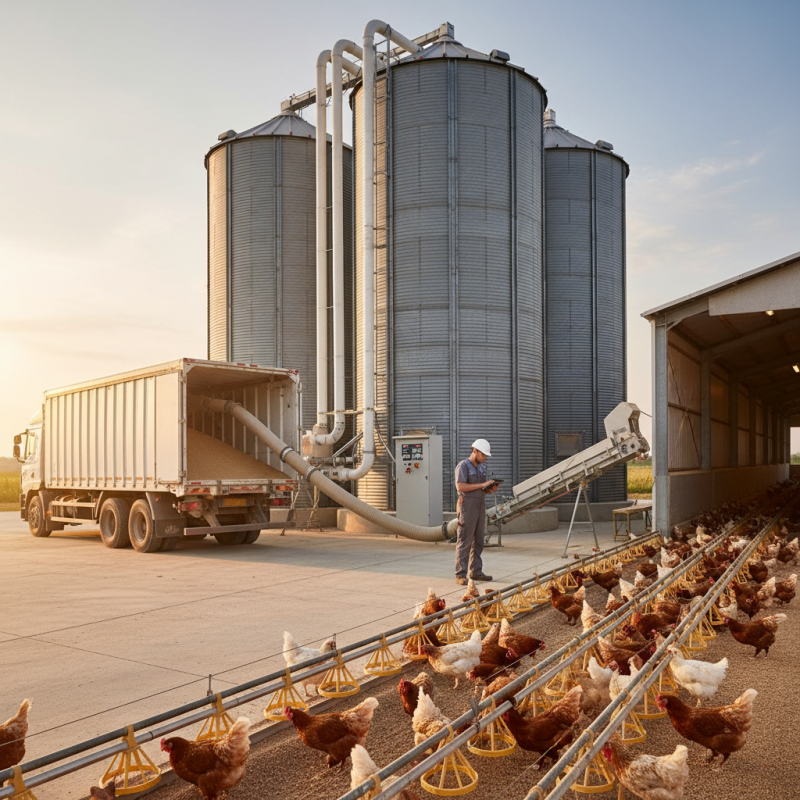
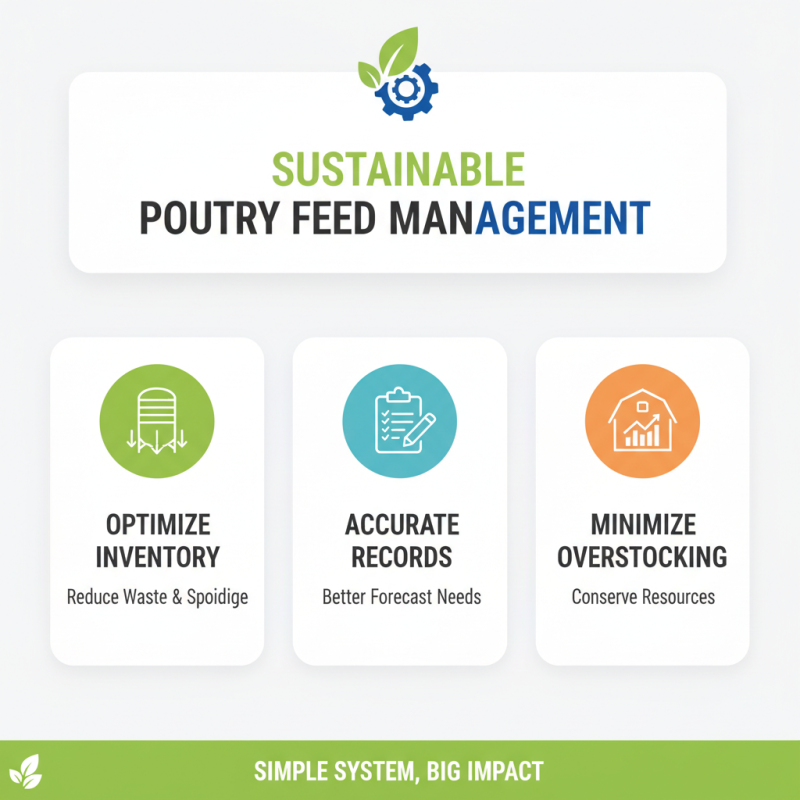
Sustainability is crucial in managing bulk poultry feed. Farmers can implement practices that reduce waste and conserve resources. One effective method is to optimize inventory management. This minimizes overstocking and spoilage. Keeping accurate records helps forecast needs better. A simple inventory system can make a big difference.

Another key aspect is sourcing feed locally. This reduces transportation emissions and supports local economies. Finding nearby suppliers can strengthen community ties. However, it's essential to verify the quality of locally sourced feeds. Not all local options meet high nutritional standards.

Lastly, consider incorporating technology. Advanced tools can monitor feed quality and track usage patterns. Yet, reliance on tech must be balanced. Sometimes, traditional methods may yield better insights. It's about finding the right mix for your operation. Reflecting on these practices helps identify areas for improvement. Adapting to sustainable methods is an ongoing process.