How to Choose the Right Poultry Feed for Your Flock?
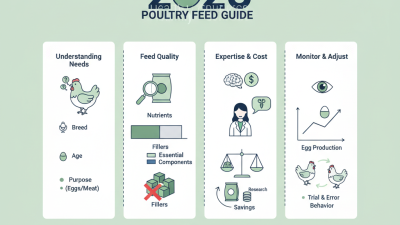
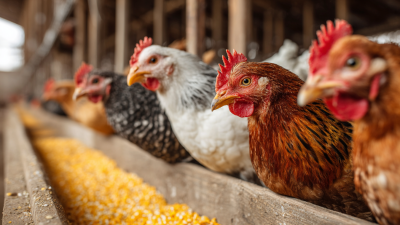
Choosing the right poultry feed is crucial for any flock owner. Proper nutrition affects both health and productivity. Poultry feed comes in various forms, including pellets, crumbles, and mash. Each type has its pros and cons. You should consider the age and breed of your flock when selecting feed.
Nutrition in poultry feed varies significantly. Ingredients should include grains, proteins, and vitamins. Some feeds may lack essential nutrients, leading to health issues. Periodically evaluating the effectiveness of your chosen feed can lead to better outcomes.
Moreover, local conditions can influence feed choices. Availability may limit options, causing you to settle for less ideal choices. Watch for changes in your birds' behavior or health. They can signal that the feed isn’t meeting their needs. Selecting the right poultry feed requires attention to detail and adaptability. It is an ongoing process of learning.
Understanding the Nutritional Needs of Different Poultry Breeds
Choosing the right feed for your poultry is essential. Each breed has its unique nutritional needs. For instance, layers need high calcium for egg production. Broilers require protein-rich diets to grow quickly. Understanding these requirements helps you make better choices.
Tips: Research your breed’s specific needs. Some breeds might need extra vitamins. Always check for signs of poor nutrition. A bird's feathers, energy levels, and egg production can indicate dietary issues.
Consider the age of your birds too. Chicks require starter feed with high protein. Mature birds can transition to layer or grower feed. Adjustments in diet are vital as they age. Regularly assess weights and health. This insight can help refine their diet further.
Tips: Create a feeding schedule that aligns with their natural behaviors. Observe how they react to different feeds. Not all birds will like the same mix, and preferences can evolve over time. Keep track of feed consumption and make notes.
How to Choose the Right Poultry Feed for Your Flock?
| Poultry Breed |
Age |
Protein (% needed) |
Energy (kcal/kg) |
Special Nutritional Needs |
| Broilers |
0-6 weeks |
20-24% |
2800-3000 |
High protein for rapid growth |
| Layers |
20 weeks and older |
16-18% |
2700-2900 |
Calcium for eggshell strength |
| Ducks |
0-4 weeks |
18-22% |
2800-3000 |
Higher protein for growth |
| Turkeys |
0-8 weeks |
28-30% |
2900-3200 |
Very high protein for rapid early growth |
Types of Poultry Feed Available in the Market
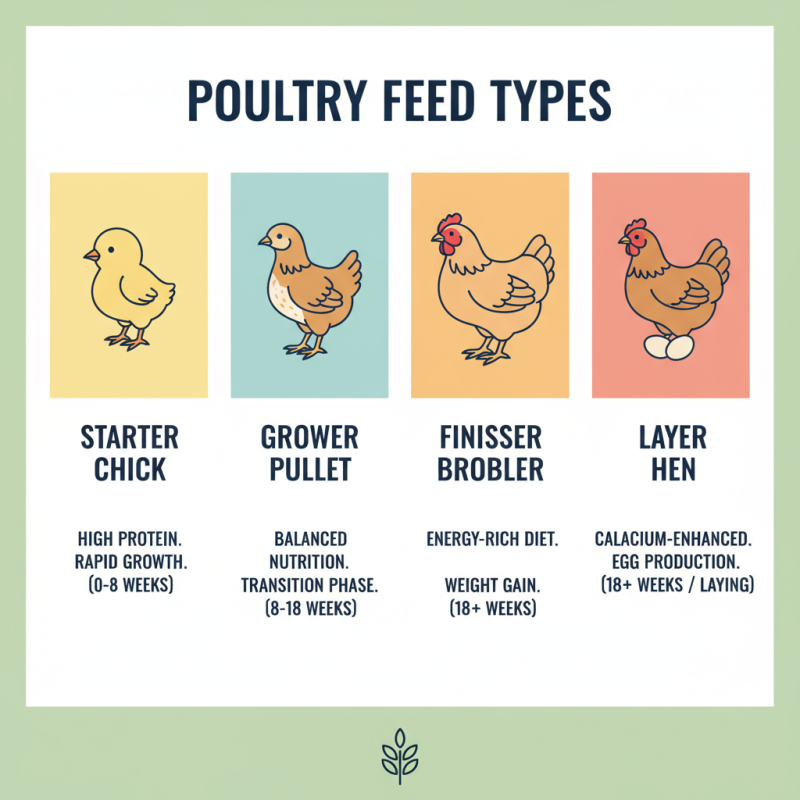
When selecting poultry feed, it's essential to know the types available in the market. Generally, poultry feed can be classified into several categories. You'll find starter, grower, finisher, and layer feeds. Each type serves a specific purpose. Starter feeds are designed for chicks, offering high protein levels for growth. Grower feeds provide balanced nutrition as birds transition. Finisher feeds prepare birds for market. Layer feeds support egg production with added calcium.
It's also important to consider specialty feeds. Some flocks need organic or non-GMO options. Others may benefit from medicated feeds to prevent disease. The choice depends on your flock's unique needs. Observing their behaviors and health can guide you. Not all feeds work well for every bird. You might notice that some chickens thrive on one feed but struggle on another. Testing different options may be necessary. Monitor their egg production and overall health. Adjust the diet if you see signs of weakness or stress. The right feed can make a significant difference.
Evaluating Ingredients in Poultry Feed: What to Look For
Choosing the right poultry feed is essential for a healthy flock. Evaluating the ingredients in poultry feed can seem daunting. Start by checking the protein content. Look for animal and plant proteins. These are crucial for growth and egg production. However, too much protein can be wasteful and costly.
Next, pay attention to carbohydrates. They provide energy. Whole grains are a good source here. But avoid feeds with fillers. Fillers do not offer nutritional value. Keep an eye on fiber content too. A proper balance supports digestion. Without enough fiber, birds can become unhealthy.
Don’t overlook vitamins and minerals. They are vital for overall health. Look for specific nutrients like calcium for layers. However, too many additives can be harmful. It's important to double-check the ingredient list. Transparency is key. If something seems off, consider looking for alternatives. Evaluating feed ingredients thoroughly helps ensure a thriving flock.
Determining the Right Feed for Different Growth Stages
Choosing the right feed for your flock is crucial. Different growth stages require specific nutrients. Day-old chicks, for instance, need a high-protein starter feed. This helps them develop muscles and feathers. Studies show that a diet containing 18-20% protein promotes optimal growth.
As birds grow, their dietary needs change. Grower feed typically has a protein content of 16-18%. This feed supports steady growth without causing obesity or other health issues. According to industry reports, improper feeding during this phase can lead to significant weight gain and reduced egg production later.
Laying hens require specialized feed rich in calcium and protein—around 16-18% protein and 3-5% calcium. Insufficient calcium will affect eggshell quality and overall flock health. Many flock owners overlook these details, leading to economic losses and poor performance. Selecting the correct feed at each stage ensures healthier birds and better production outcomes. However, each flock is different. Monitoring and adjusting feed types as needed are essential.
Adjusting Your Poultry Feed According to Seasonal Changes
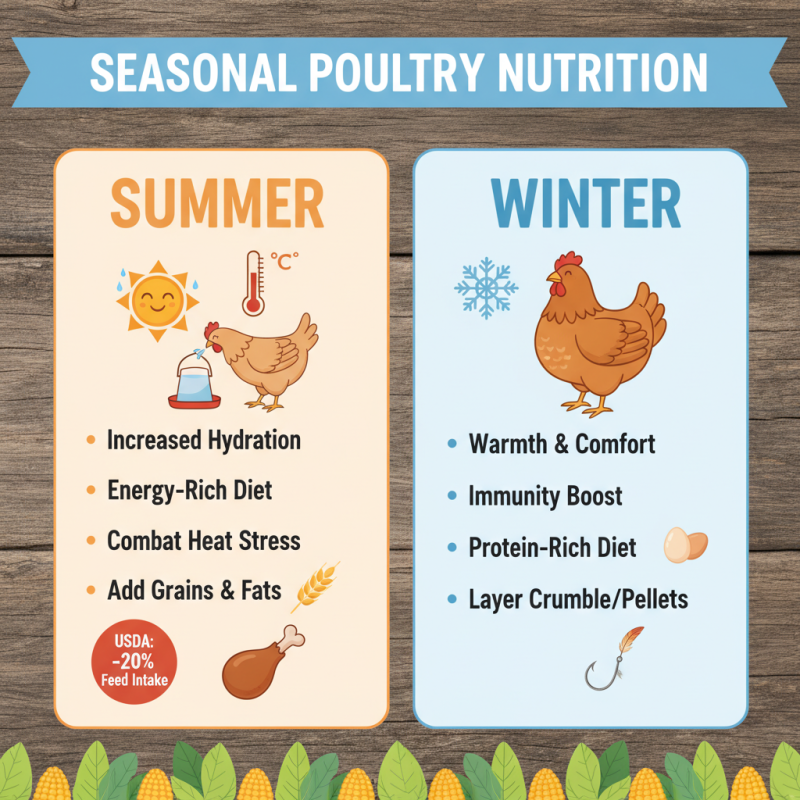
Seasonal changes can significantly impact the nutritional needs of your poultry flock. In summer, birds require more hydration and a diet rich in energy. High temperatures can lead to stress and reduced feed intake. According to a USDA report, during hot months, chickens may decrease their feed intake by nearly 20%. Adding more grains and fats can help maintain their energy levels.
In contrast, winter brings colder weather and increased energy demands due to thermoregulation. Chickens may require a higher protein content in their feed to support better heat production. A study from the Animal Feed Science Journal suggests that increasing protein to about 18-20% in winter can help sustain egg production. Additionally, incorporating grains that are easily digestible can ensure proper nutrient absorption even when temperatures drop.
Remember, monitoring your flock's behavior is crucial. If birds are pecking at their feed but not eating much, it may indicate a nutritional imbalance. Optimal poultry feeding is not just about following trends but also about understanding your flock's unique needs as seasons change. Adjusting feed accordingly can ensure healthy growth and better egg production all year round.