Top Tips for Choosing Quality Poultry Feed for Your Flock?
Choosing quality poultry feed is essential for any successful flock. Dr. Jane Harrison, a poultry nutrition expert, emphasizes, "The right feed can transform your birds' health and productivity." Her insight highlights the impact of diet on poultry wellbeing.
When selecting quality poultry feed, there are many factors to consider. Ingredients must be fresh and nutrient-dense. Grains, proteins, and vitamins should be well-balanced. It's important to avoid feeds with fillers that offer little nutritional value. A close examination of labels can make a difference.
Many flock owners underestimate the role feed plays in overall health. Poor choices can lead to sickness and reduced egg production. Investing time in research is crucial. Reflection on past feed choices may reveal where improvements can be made. Quality poultry feed matters profoundly in raising healthy, productive birds.
Understanding the Nutritional Needs of Different Poultry Breeds
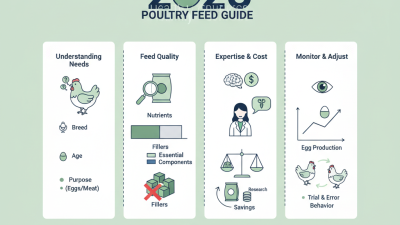
Understanding the nutritional needs of different poultry breeds is essential for optimal health and productivity. Each breed requires a specific balance of nutrients. For instance, layers need higher calcium and protein. This supports eggshell strength and overall egg production. Research indicates layers thrive on a diet with 16-18% protein and 3-5% calcium.
Broilers have different needs. They benefit from a diet rich in energy and protein to promote rapid growth. Typically, a 20-24% protein level is required. Studies show that broilers consume more feed when it meets their growth demands. An energy level of 2900-3100 kcal/kg is ideal to support muscle development.
It’s critical to adjust feed formulations according to the age and purpose of the flock. Young chicks require starter feed that is finely ground. As they grow, their diet should transition to grower and finisher feeds. Observational data suggest many poultry farmers overlook these adjustments, leading to health problems. Monitoring feed intake and growth rates can provide insights into nutritional adequacy. Regular assessments help to refine diet selection for better performance.
Evaluating Ingredients: Identifying High-Quality Feed Components
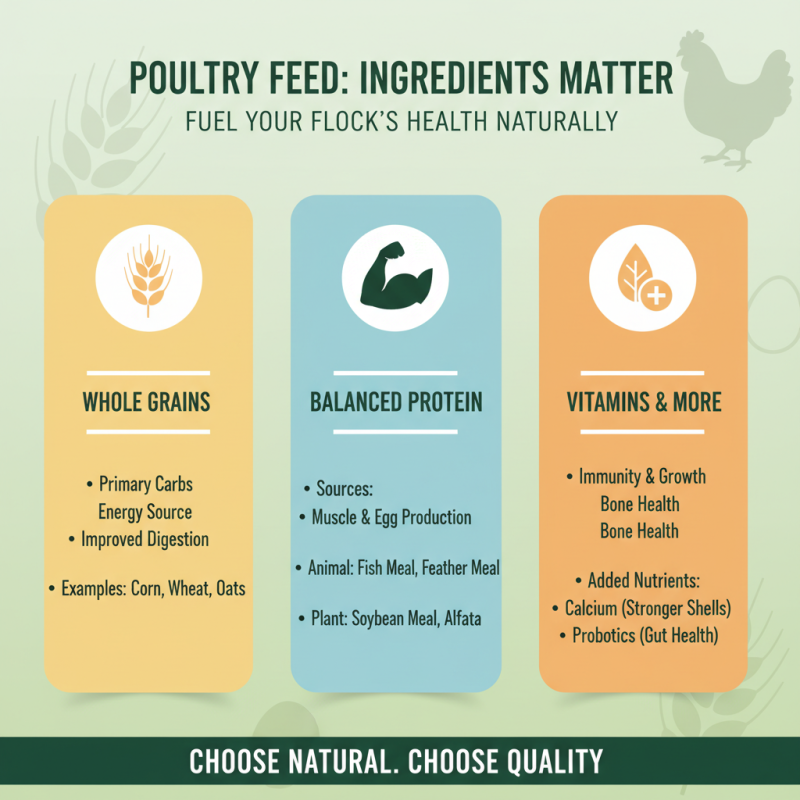
When selecting poultry feed, evaluating ingredients is crucial. High-quality feed components can enhance your flock's health. Look for natural ingredients like grains, proteins, and vitamins. Whole grains should be the primary carbohydrate source. They provide energy and improve digestion. Check the protein content; it should come from animal or plant sources. Balanced protein is vital for growth and egg production.
Pay attention to additives. Probiotics and prebiotics can support gut health. However, not all additives are beneficial. Some might lack evidence of their effectiveness. Avoid feeds with excessive fillers like corn gluten. They offer little nutritional value. Sometimes, these fillers are cheaper but can lead to poor flock performance.
It's essential to review the ingredient list honestly. If you’re unsure about certain components, do your research. Some labels can be misleading. Seek information from reliable sources, but don't let the complexity overwhelm you. Finding the right feed is often a process of trial and error. Your flock's specific needs may require adjustments.
Comparing Commercial and Homemade Poultry Feed Options
When choosing poultry feed, you have two primary options:
commercial and
homemade.
Commercial feeds are often formulated for specific nutritional needs. They are convenient and usually designed based on research, ensuring they meet essential requirements. According to the American Poultry Association, a balanced diet contributes to healthy growth rates and egg production.
On the other hand, homemade feed gives you control over ingredients. You can include local grains, seeds, and kitchen scraps. However, crafting a balanced formula is complex. Many flock owners might overlook essential nutrients, leading to deficiencies. A study by the University of Kentucky highlighted that homemade feeds often lack vitamins and minerals found in commercial blends.
- Tip 1: Assess your flock's specific nutritional needs. Gather data on age and production stage. This helps in both feed types.
- Tip 2: If you opt for homemade feeds, consult trusted poultry nutrition resources. This can guide you in creating balanced rations without missing key nutrients.
- Tip 3: Monitor your flock's health and productivity regularly. Adjust their feed as needed based on observations. This is crucial for long-term success.
Recognizing Signs of Nutritional Deficiencies in Your Flock
Recognizing signs of nutritional deficiencies in your flock is vital for their health and productivity. Chickens may display a range of symptoms when they lack essential nutrients. For instance, feather pecking and loss of feathers can indicate a protein deficiency. When you see chickens with ragged feathers, consider their protein intake. Poor feather quality not only affects appearance but also impacts insulation and comfort.
Another sign is reduced egg production. If your hens suddenly lay fewer eggs, a nutritional gap might be the cause. Check their diet thoroughly. Are they getting enough calcium and vitamins? Look for changes in the shell quality too. Soft or thin shells signify calcium deficiency. If your flock is quiet and lethargic, it might hint at nutrient shortages. Active chickens are generally healthy. Observe their energy levels regularly.
Stunted growth can also be a concern in younger birds. If chicks aren't growing as expected, rethink their feed. They might need more minerals and vitamins. Keep an eye on their droppings. Changes in color and consistency can provide clues about their diet. Remember, the better you understand these signs, the more effectively you can support your flock's overall health.
Selecting the Right Feeding Schedule and Storage Practices
When it comes to poultry, feeding schedules and storage practices are crucial. Establishing a consistent feeding routine helps optimize growth and egg production. Research states that proper feeding times can significantly enhance feed conversion rates. For layers, a schedule of two to three feedings daily may yield better results.
Storing feed properly also affects the health of your flock. Poultry feed should be kept in a cool, dry place. Moisture can lead to mold growth, which poses a serious risk. Studies indicate that mold can reduce feed quality and even harm poultry health. The ideal moisture content in feed should be less than 14%.
Improper storage practices can lead to nutrient loss and waste. Keep feed tightly sealed to prevent pest infestations. Brown rice storage, for instance, requires specific conditions to maintain quality. A temperature above 70°F can decrease nutrient retention. Monitoring these factors is essential for ensuring your birds thrive, despite the challenges.
Top Tips for Choosing Quality Poultry Feed for Your Flock
| Feed Type |
Key Ingredients |
Nutritional Benefits |
Recommended Feeding Schedule |
Storage Practices |
| Starter Feed |
Corn, Soybean Meal, Vitamins |
Promotes growth and development in chicks |
From hatch to 6 weeks |
Store in a cool, dry place in airtight containers |
| Grower Feed |
Wheat, Barley, Protein supplements |
Supports muscle development and feather growth |
6 weeks to 12 weeks |
Keep away from moisture and pests |
| Layer Feed |
Calcium, Phosphorus, Oyster shell |
Enhances egg production and shell strength |
From 12 weeks onward |
Store in a dry area, ideally in a temperature-controlled environment |
| Finisher Feed |
Corn, Protein-rich ingredients, Vitamins |
Maximizes weight gain before market |
Close to market age |
Seal tightly and avoid humidity |