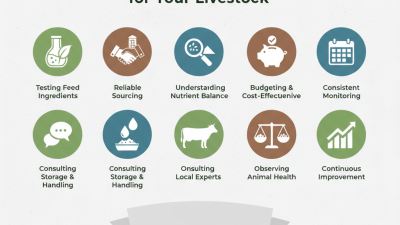
Top Tips for Choosing Quality Feed for Your Livestock?
Choosing quality feed for livestock is crucial for their health and productivity. Livestock rely on their diet for growth, reproduction, and overall well-being. Quality feed can significantly impact their performance and your farm's profitability.
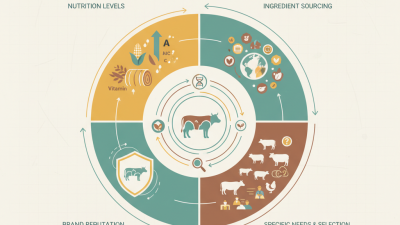
Selecting the right feed requires careful consideration. Nutritional value, ingredient quality, and the specific needs of your animals are essential factors. Sometimes, farmers may overlook details in feed composition, leading to suboptimal health. A close assessment of feed quality should never be underestimated.
Look for feed that contains the right balance of proteins, vitamins, and minerals. Misguided choices can lead to undernourishment or waste. Observing how your livestock respond to different feeds over time can offer insight. Regular evaluation of feed quality can help make adjustments as necessary. Quality feed lays the foundation for vibrant, healthy animals and a thriving farm.
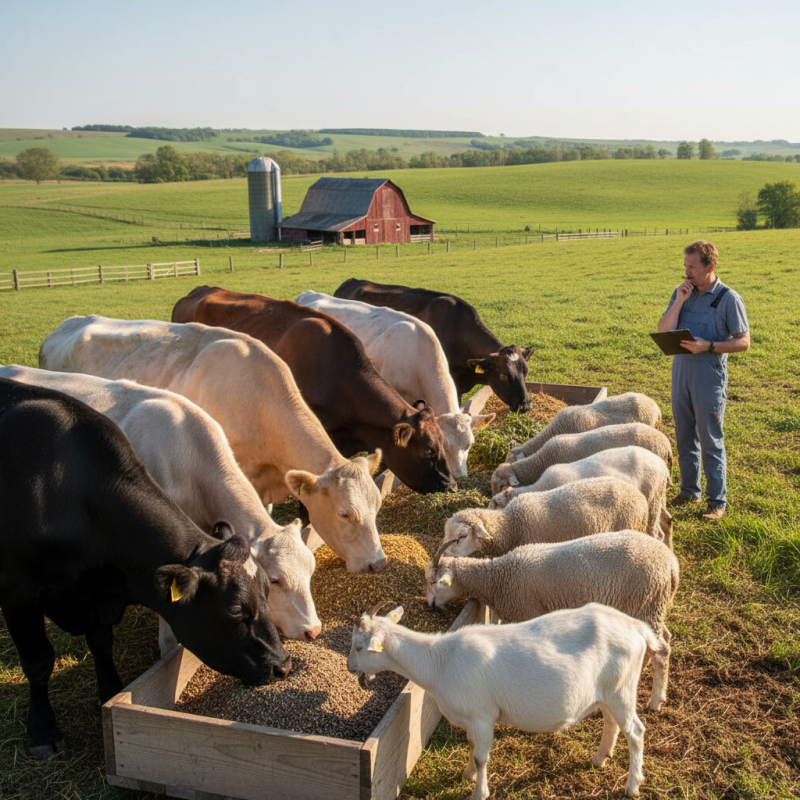
Understanding Nutritional Requirements of Your Livestock
Understanding the nutritional requirements of your livestock is crucial for their health and productivity. Different species have distinct needs based on their age, weight, and activity level. For instance, cattle require a balanced mix of protein, energy, vitamins, and minerals. According to the National Research Council, protein intake should range from 12% to 14% for growing cattle. This basic knowledge helps in formulating a suitable feeding strategy.
Tip 1: Conduct regular assessments. Analyzing the nutritional content of available feeds helps to match livestock needs accurately. Utilize forage testing. Get a better understanding of nutrient deficiencies in your pasture. This will inform your feeding decisions, ensuring optimal growth and productivity.
Tip 2: Monitor body condition. Livestock that are undernourished or overnourished can face serious health issues. Assessing their body condition regularly can help in adjusting their diets. For example, underweight animals may need a higher caloric intake, while overweight animals may require a reduction in energy-dense feeds.
Livestock nutrition is not one-size-fits-all. Individual needs can change. It’s essential to stay informed and adaptable. Consider changes in season, availability of feed, and evolving scientific research. Addressing these factors promotes the overall well-being of your livestock.
Evaluating Ingredients in Livestock Feed
When evaluating ingredients in livestock feed, start with protein sources. They are crucial for growth and milk production. Reports indicate that livestock require around 16-18% protein for optimal growth. However, not all protein sources are equal. Some may come from less digestible plants or by-products. It’s essential to check the origin.
Carbohydrates provide energy. Grains like corn or barley are common. They deliver quick energy but can lead to metabolic issues if overused. It's wise to balance these with fiber sources. Fiber supports digestion and overall health. According to industry studies, a minimum of 20% of the diet should consist of fiber.
Vitamins and minerals are often overlooked. A study from the Animal Feed Association shows deficiencies can significantly impact animal health and productivity. Ingredients should include a variety of vitamins. Check for mineral content as well. Too much of certain minerals can lead to toxicity. Evaluating these aspects can be complex. It’s easy to miss crucial details in ingredient listings. Regular reviews and adjustments are vital for improving livestock health.
Recognizing Signs of Quality Control in Feed Production
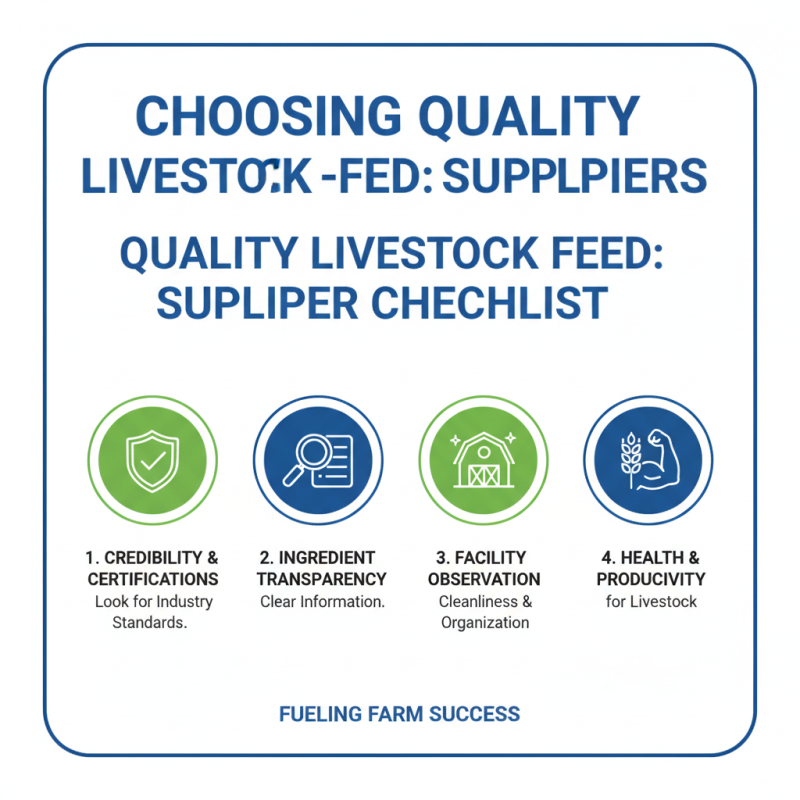
When selecting quality feed for livestock, recognizing signs of quality control in production is crucial. Look for clearly labeled ingredients. They should be specific and recognizable. Vague terms often suggest lower quality, which can harm your animals. Effective quality control begins with transparency.
Pay attention to the production processes. Reputable producers maintain strict hygiene practices. If a facility looks unkempt, it could indicate poor quality management. Certifications from recognized bodies can also serve as a reassurance. However, be cautious; not all certifications are created equal.
Quality feed should have consistent texture and smell. If you notice clumps or odd odors, it may not be fresh. These inconsistencies can lead to nutritional deficiencies in your livestock. Remember, good quality control is an ongoing process. Engage with suppliers, ask questions, and reflect on their responses. This proactive approach helps ensure your livestock remains healthy and productive.
Top Tips for Choosing Quality Feed for Your Livestock - Recognizing Signs of Quality Control in Feed Production
| Feed Type |
Key Ingredients |
Signs of Quality |
Nutritional Value |
| Layer Feed |
Corn, Soybean Meal, Calcium Carbonate |
Uniform texture, No mold, Fresh smell |
Protein: 16%, Calcium: 3.5% |
| Starter Feed |
Grains, Vitamins, Fish Meal |
Bright color, No foreign particles |
Protein: 18%, Fat: 5% |
| Finisher Feed |
Barley, Wheat Bran, Minerals |
Consistent grain size, Good packaging |
Protein: 14%, Energy: 2800 kcal/kg |
| Pullets Feed |
Whole Grains, Vitamins, Probiotics |
Balanced appearance, No clumping |
Protein: 20%, Fiber: 5% |
Cost-Effectiveness vs. Quality in Livestock Feed Choices
When selecting livestock feed, balancing cost-effectiveness and quality is crucial. Many farmers focus solely on maximizing savings. However, this can be a false economy. Cheap feed often lacks essential nutrients. Livestock health might suffer in the long run.
Quality feed improves growth rates and productivity. It often reduces the risk of health issues. For instance, protein content in the feed plays a vital role in muscle development. Ignoring this aspect can lead to poor weight gain and lower yields. Some farmers overlook ingredient sources, opting for lower prices instead. This may compromise animal well-being.
A thoughtful approach helps. Analyzing long-term benefits against short-term savings is necessary. Sometimes, investing slightly more in high-quality feed pays off. The value is in healthier animals and increased output. Diligent farmers must weigh these factors carefully. It’s essential to rethink the immediate desire for low costs. Quality should not always be sacrificed for savings.
Top Tips for Choosing Quality Feed for Your Livestock: Cost-Effectiveness vs. Quality