How to Choose the Best Nutrition Feed for Your Livestock?
Choosing the right nutrition feed for your livestock is crucial for their health and productivity. Proper nutrition feed impacts growth, milk production, and overall well-being. Livestock have different dietary needs based on their species, age, and production stage.
Consider the nutritional components of the feed. A balanced diet includes proteins, vitamins, and minerals. It's easy to overlook essential nutrients. Sometimes, livestock may show signs of deficiency, which can harm their performance. For example, inadequate protein can slow growth rates and reduce milk yield.
Assessing the quality of nutrition feed is vital. Not all feeds are created equal. Some may lack essential ingredients or contain fillers. Additionally, consider sourcing from reputable suppliers. This ensures that your livestock receives the best care possible. Sometimes, it can be tempting to choose cheaper options, but this decision may lead to long-term issues.
Understanding the Nutritional Needs of Different Livestock Species
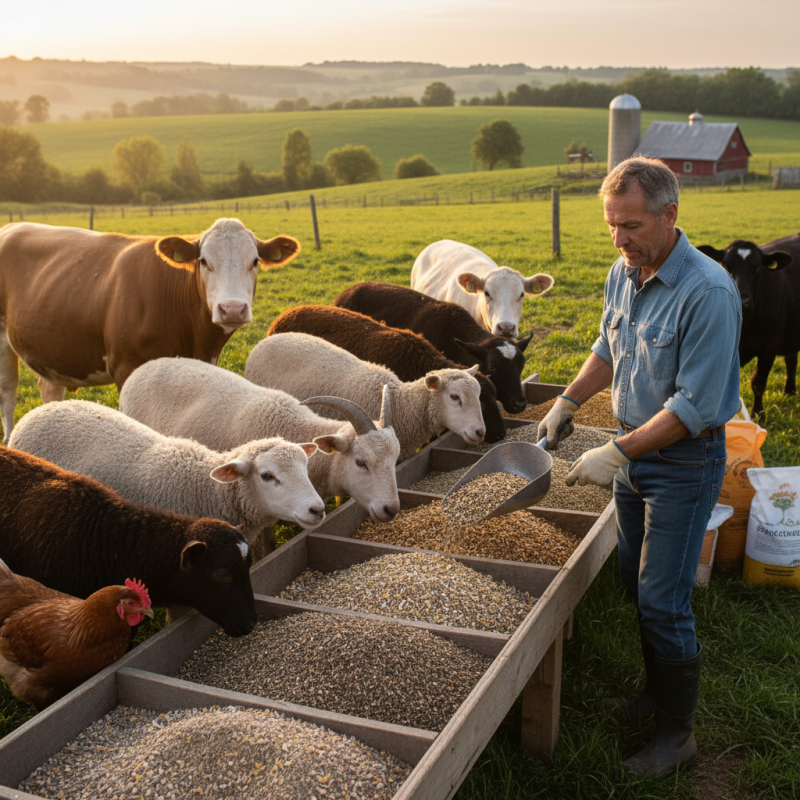
Understanding the nutritional needs of different livestock species is crucial for effective feed management. Cattle, for instance, require a balanced diet rich in energy, protein, and minerals. Research shows that beef cattle need around 12-15% protein in their diet, depending on their growth stage.
Sheep, on the other hand, have different needs. They thrive on diets consisting of 14-20% protein during lactation and growth phases.
Pigs have unique nutritional requirements, too. They typically need a higher level of energy. A study by the National Pork Board highlights that pig diets should contain 70% energy-dense materials like grains. Meanwhile, poultry diets require a well-rounded mix of proteins and carbohydrates to support egg production. Layer hens need up to 18% protein for optimal productivity.
However, selecting the best nutrition feed is not always straightforward. Farmers often rely on generalized feeding guidelines. These may not reflect each livestock’s specific needs, leading to imbalances. Regular nutrition assessments can help personalize feed formulations. Additionally, farmers often overlook the importance of forage quality for ruminants. Not paying attention to these details can result in poor livestock health and lower production rates.
Evaluating Feed Ingredients for Optimal Nutrition and Digestibility
Choosing the right nutrition feed for your livestock is crucial. Evaluating the feed ingredients is essential for achieving optimal nutrition and digestibility. You're not just feeding animals; you're feeding a future. Each ingredient should provide real value.
Consider protein sources. They are vital for growth. However, the Amino acid profile matters. Not all proteins are equal. Some may lack essential amino acids. This imbalance can lead to growth issues. Examine the fiber content as well. Fiber improves digestion but can also reduce the energy available. It's a balancing act.
Look closely at additives. Some can enhance health. Others may have negligible effects. Research the benefits of vitamins and minerals. They may support immune function but could be wasted if not properly formulated. Test different combinations. Observe the livestock's response. Analyze weight gain, feed efficiency, and overall health. It’s a process of trial and error. Each choice should reflect actual needs rather than assumptions. Be prepared to adapt.
Assessing the Role of Supplements in Livestock Nutrition Balance
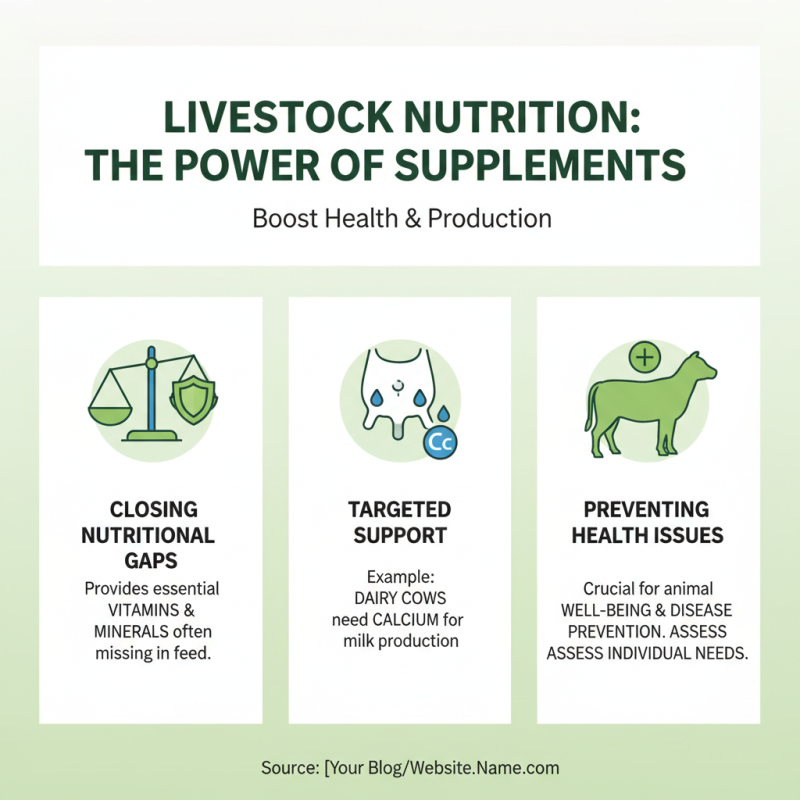
When it comes to livestock nutrition, supplements play a crucial role. They provide essential vitamins and minerals that may be lacking in regular feed. For instance, a dairy cow may need additional calcium to support milk production. Without proper supplementation, health issues might arise. It's vital to assess the specific needs of each animal.
However, not all supplements are created equal. Some may deliver inadequate benefits, while others could lead to imbalance. For example, too much protein might affect the digestive system negatively. It's important to strike a balance. Farmers often need to experiment to find the correct mix. Observing animal behavior and health can reveal what is working.
Identifying the right supplements requires careful evaluation. Relying too heavily on them without understanding their effects might lead to wasted resources. Regularly check the nutritional profiles of both feed and supplements. Adjustments may be needed based on seasonal changes or animal growth stages. The journey of refining livestock nutrition is ongoing and requires attention.
Calculating Formulations Based on Growth Stages and Production Goals
Choosing the right nutrition feed for livestock involves careful consideration of their growth stages and production goals. A well-balanced diet supports optimal health and productivity in animals. For instance, research shows that proper nutrition can boost milk production by up to 30%. This figure underlines the importance of tailored nutrition formulations based on an animal’s needs.
When formulating diets, consider the specific growth stage of your livestock. Young animals require higher protein for growth, whereas older livestock may need more fiber for digestion. Adjusting the formulation during these stages can lead to better weight gain and production rates. Many farmers overlook these adjustments, leading to subpar growth or unnecessary feed costs.
Tip: Monitor livestock regularly to assess their growth and adjust feed formulas accordingly. Keeping records can help identify patterns and inform future decisions. Another tip is to consult with a livestock nutritionist. They can offer insights into regional feed availability and nutritional content. Customizing nutrition based on production goals can significantly improve overall efficiency.
Monitoring Livestock Health and Performance for Feed Adjustment
Monitoring livestock health is crucial for optimizing nutrition feed. Regular health checks help identify any issues early. Weight changes can signal problems. A sudden drop might indicate illness or inadequate nutrition. Observing behavior is equally important. Are animals lethargic? Are they grazing enough? These signs suggest adjustments may be needed.
Feeding plans should be flexible. As livestock grow, their nutritional needs change. Older animals may require different feed types. Young ones need more energy for growth. Seasonal changes can also impact feed efficiency. For example, during cold weather, livestock may need more calories to maintain body heat. Keeping records of weight and feed intake can provide insights over time.
Consider performing routine assessments. Use simple measures like body condition scoring. This can reveal if livestock are underfed or overfed. Adjust the feed based on these assessments. Sometimes, what works this season may not in the next. Reflecting on past practices can guide better choices. Make nutrition decisions based on current health indicators, not just past experience.
How to Choose the Best Nutrition Feed for Your Livestock? - Monitoring Livestock Health and Performance for Feed Adjustment
| Livestock Type |
Nutritional Requirements |
Recommended Feed Composition |
Monitoring Metrics |
Adjustment Frequency |
| Beef Cattle |
Protein, Energy, Vitamins |
Silage, Grain, Protein Meal |
Weight Gain, Feed Conversion Ratio |
Every 4 Weeks |
| Dairy Cows |
Calcium, Phosphorus, Protein |
Alfalfa Hay, Concentrates, Minerals |
Milk Production, Body Condition Score |
Every 2 Weeks |
| Pigs |
Protein, Fiber, Energy |
Corn, Soybean Meal, Supplements |
Weight Gain, Health Status |
Every 3 Weeks |
| Chicken |
Protein, Calcium, Energy |
Layer Mash, Grains, Calcium Sources |
Egg Production, Growth Rate |
Every Week |
| Sheep |
Fiber, Protein, Minerals |
Pasture Grass, Hay, Grain Mix |
Weight Gain, Wool Quality |
Every Month |