7 Best Texas Feed Suppliers for Global Buyers?
Choosing a dependable texas feed supplier requires more than comparing prices. Global buyers need consistent nutrition, verified ingredients, and export-ready documentation. A low-cost load can become expensive when moisture, storage, or delivery controls fail.
Dr. Ron Gill, a Texas A&M AgriLife Extension beef cattle specialist, has stressed a practical principle: consistent feed management supports consistent cattle performance. That principle matters across borders. Buyers should examine crude protein, fiber, moisture, mineral balance, and mycotoxin testing. They should also request recent certificates of analysis, lot identification, and clear ingredient traceability. Details matter.
This guide reviews seven Texas feed suppliers serving different purchasing needs. Some may offer bulk cattle feed, while others focus on specialty blends, minerals, or private-label production. Their milling capacity, warehouse systems, packaging options, and shipping experience deserve close attention. Ask direct questions. Can the supplier provide stable formulations during seasonal changes? Can it protect feed from heat and humidity during transit? Does its quality team document corrective actions when results vary?
The evaluation is not perfect. Supplier information can change, and public claims may not tell the whole story. Buyers should verify every specification before signing a contract. A sample may look uniform yet perform differently in storage. Practical testing remains essential. For global purchasers, the strongest texas feed partner combines transparent communication, reliable quality controls, realistic lead times, and evidence of experience. That combination is less impressive on paper, but more valuable in the receiving yard.
Texas Feed Supply Industry: Products, Regions, and Export Capabilities
Texas Feed Supply Industry: Products, Regions, and Export Capabilities
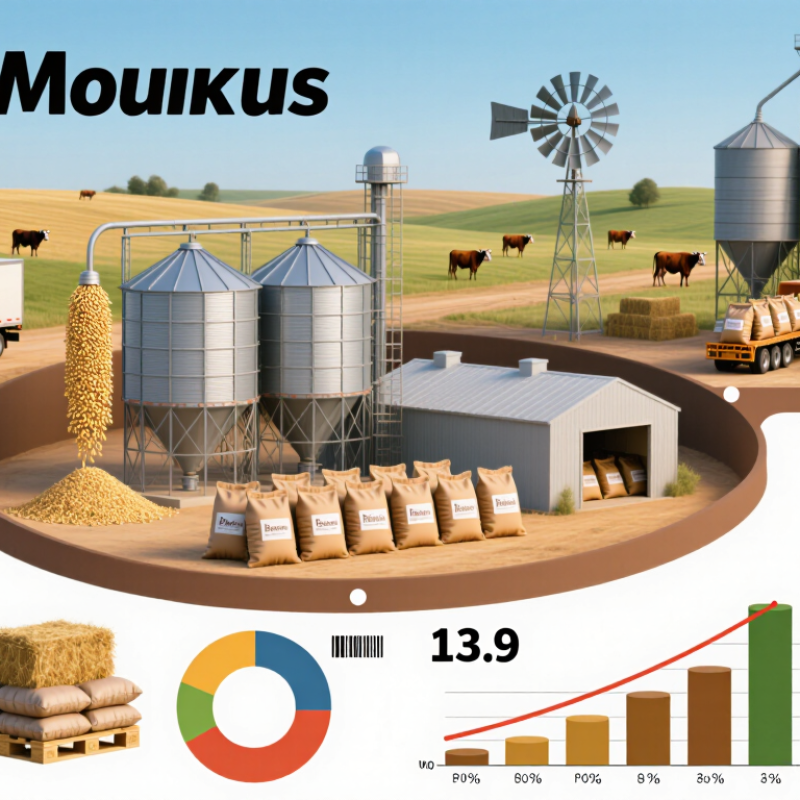
Texas has one of the broadest feed supply networks in the United States. Suppliers commonly produce cattle rations, dairy blends, poultry feed, horse feed, and protein supplements. Many facilities adjust formulas for local forage, animal age, and seasonal weather. Corn, sorghum, soybean meal, cottonseed, and hay are frequent ingredients. Some products arrive as pellets, while others move as meal, cubes, or bulk mixes.
The Panhandle and High Plains support large cattle operations and grain-based feed production. East Texas offers stronger access to hay, forage crops, and mixed livestock farms. Central Texas serves ranches, dairy businesses, and equine customers. Gulf Coast facilities benefit from roads, rail links, storage terminals, and nearby ports. Houston, Corpus Christi, and Galveston can support overseas shipments, depending on cargo type and scheduling.
Export capability depends on more than production volume. Reliable suppliers should provide ingredient specifications, batch records, weight certificates, and clear packaging details. They also need experience with container loading, bulk handling, customs documents, and destination-country requirements. Moisture control matters during long ocean journeys. A damaged pallet can erase a small buyer’s profit. Not every supplier publishes complete export data, which creates uncertainty. Buyers should request recent test results and verify lead times before signing contracts. Texas has strong potential, but supply consistency can still vary between seasons.
7 Best Texas Feed Suppliers for Global Buyers? - Texas Feed Supply Industry: Products, Regions, and Export Capabilities
| Rank | Texas Supplier Profile | Primary Production or Trading Region | Common Feed Products | Typical Buyer Segments | Export-Ready Formats | Main Logistics Advantage | Export Suitability |
|---|---|---|---|---|---|---|---|
| 1 | Panhandle Grain and Feed Profile | High Plains and Panhandle | Sorghum, corn, wheat, grain mixes, cattle feed | Beef cattle operations, feedlots, grain traders, compound-feed manufacturers | Bulk truck, rail shipment, bulk vessel loading through connected terminals | Large-scale grain production and established rail links to domestic and export gateways | High for bulk grains and livestock-feed ingredients |
| 2 | South Plains Cottonseed Feed Profile | South Plains and western cotton-growing districts | Cottonseed, cottonseed meal, cottonseed hulls, fiber-based roughage | Dairy farms, beef producers, feed mills, ruminant nutrition buyers | Bulk, covered truck, rail, and containerized bagged material | Close proximity to cotton gins and oilseed-processing facilities | High for ruminant-feed ingredients, subject to moisture and quality specifications |
| 3 | North Texas Grain and Milling Profile | North Central Texas and Red River Valley | Corn, wheat, bran, screenings, blended livestock feed | Cattle, poultry, horse, pet-food, and regional feed manufacturers | Bagged and bulk truckloads; rail where terminal access is available | Central location with access to major Texas highways and regional distribution networks | Medium to High for regional exports and cross-border shipments to Mexico |
| 4 | Central Texas Specialty Feed Profile | Central Texas and major livestock corridors | Complete cattle rations, mineral blends, protein supplements, forage-based feed | Ranches, dairy farms, equine operations, distributors, and feed retailers | Palletized bags, super sacks, bulk pneumatic truck, and mixed-load distribution | Strong access to Texas livestock markets and flexible small-to-medium order fulfillment | Medium for packaged products and distributor-led international orders |
| 5 | East Texas Poultry and Mixed-Feed Profile | East Texas and the broader Gulf Coast livestock belt | Poultry feed, corn-based formulas, soybean meal blends, premixes | Poultry integrators, independent farms, feed mills, and agricultural distributors | Bulk truck, bulk rail, 25–50 kg bags, and palletized shipments | Access to Gulf Coast transport routes and dense poultry-production demand | Medium to High for standardized ingredients and formulated feeds |
| 6 | Gulf Coast Bulk-Export Feed Profile | Houston, Galveston, Beaumont, Port Arthur, and nearby port corridors | Corn, sorghum, wheat, soybean meal, distillers grains, feed additives | International importers, commodity traders, feed mills, and livestock integrators | Bulk vessel, container, breakbulk, bulk truck, rail, and bagged cargo | Direct access to ocean terminals, warehouses, railroads, highways, and barge-linked facilities | Very High for ocean freight and large-volume international procurement |
| 7 | South Texas Cross-Border Feed Profile | Rio Grande Valley, Coastal Bend, and South Texas border corridors | Corn, sorghum, hay, cattle feed, premixes, and packaged supplements | Mexican distributors, ranches, feedlots, dairy operations, and regional wholesalers | Bulk truck, bagged truckload, palletized cargo, rail, and container shipments | Shorter trucking routes to Mexican border crossings and access to South Texas ports | High for Mexico and nearby Latin American markets |
| Buyer note: Export capability depends on product specifications, feed-safety documentation, phytosanitary or veterinary requirements, minimum order quantity, port availability, and the destination country's import regulations. Product availability and freight options should be confirmed before contracting. | |||||||
Related Posts
-

Why Choose Bulk Poultry Feed for Your Farm Needs?
-
What Is Bulk Livestock Feed and How Does It Work?
-
Top 10 Best Bulk Poultry Feed Options for Maximum Productivity and Healthy Flocks
-
Top Animal Feed Tips for Global Buyers to Consider
-
How to Choose the Best Livestock Feed for Optimal Animal Health and Growth
-
Why is Quality Cattle Feed Essential for Livestock Growth?